Bridge to Rehabilitation Program
Coming home after being in the hospital can feel overwhelming, but you don’t have to navigate it alone. Our Bridge to Rehabilitation program closes the gap between hospital care and returning to your daily life. We’re helping patients move forward, feel stronger, and enjoy life again after hospitalization at Swan Health.

SMOOTHER TRANSITION FROM HOSPITAL TO HOME
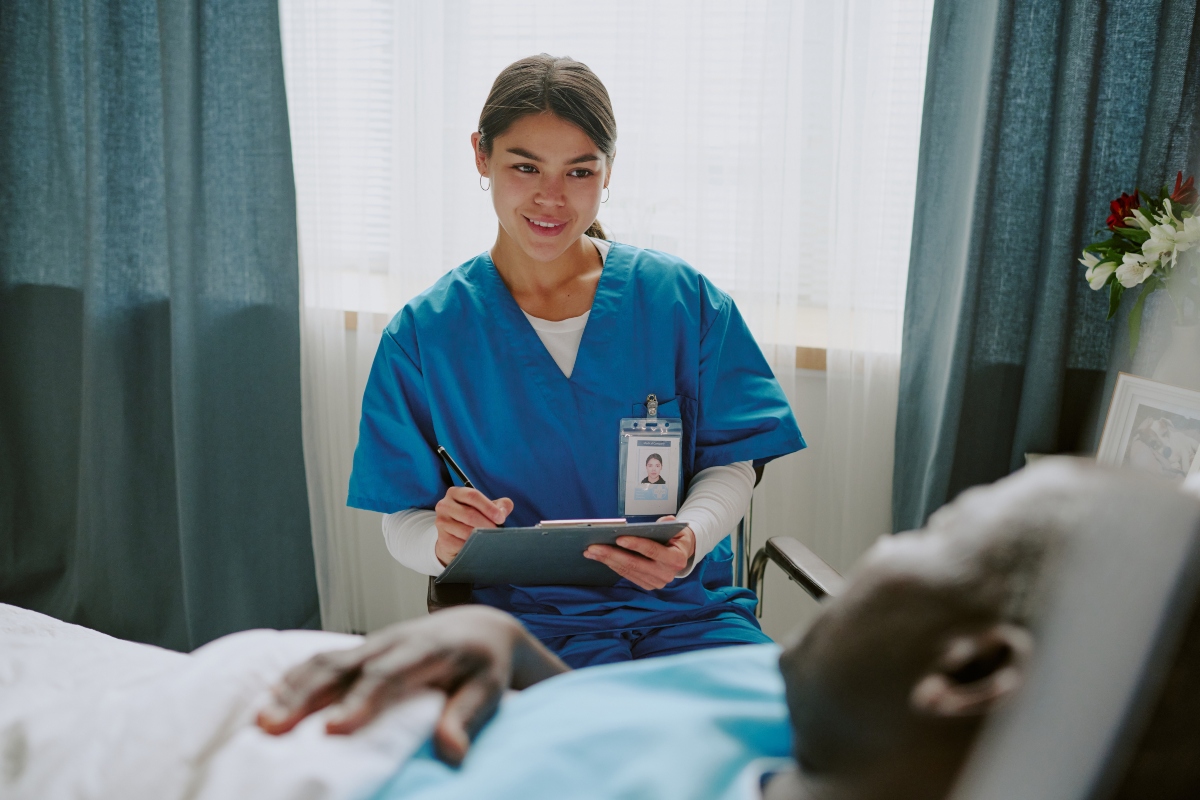
The Bridge to Rehabilitation program gives practical, hands-on care to support your recovery as you move from the hospital back to the comfort of home. Our licensed therapists work one-on-one with each patient to help make the transition as easy as possible. This might include physical therapy to restore strength and balance, occupational therapy to help relearn everyday tasks like dressing or cooking, or speech therapy to improve communication and safe swallowing.
THE NEXT STEP IN RECOVERY
If you’ve had a stroke, a fall, an extended hospital stay, or lost strength and mobility after surgery or illness, our Bridge to Rehabilitation program can help you on the road to recovery. We provide the support and guidance you need to move from hospital care to independent living, helping patients return home with strength, confidence, and peace of mind.
FREQUENTLY ASKED QUESTIONS
Q: What is the difference between inpatient and outpatient rehab?
A: Inpatient rehabilitation means you stay overnight at a facility to receive intensive, round-the-clock care. It’s for people who need constant medical supervision and a higher level of therapy. Our Bridge to Rehabilitation program is for patients who are medically stable and ready to return home, but still need professional support to safely transition back to their daily routine.
Q: How much therapy will I need?
A: The goal of our Bridge to Rehabilitation program is to give patients the one-on-one care that makes the biggest impact, and we’ll create a schedule that fits their needs. This might include physical, occupational, speech therapy sessions, and more. Our therapists will help you set realistic goals and make sure you relearn the skills you need to transition home safely.
Q: What types of conditions can the Bridge to Rehabilitation program help with?
A: This program helps people who are recovering from a variety of medical events, including strokes, falls, major surgeries, and other conditions that have caused a loss of strength or mobility. If you feel like you’ve lost your independence after a hospital stay, this program is designed to help you get it back.
Q: Will my insurance cover the cost?
A: We understand that insurance coverage is a major concern, and we accept Medicare and most insurance policies. Our team will work closely with you to verify your benefits and explain what your plan covers, so you can focus on what matters most: your recovery. If you have questions about your insurance plan, don’t hesitate to call our office for assistance.
Q: Do I need a doctor’s referral to join this program?
A: Typically, a referral from your doctor is necessary to join our Bridge to Rehabilitation program. This ensures that the services we provide are medically appropriate for your condition and recovery goals. If you need assistance with referrals, our team can help you with this process.
Q: How long will I be in the Bridge to Rehabilitation program?
A: Your individualized program is based entirely on your progress and personal goals. Some patients may only need a few weeks of intensive therapy, while others may require more time to regain their strength and independence. Our team will regularly assess your progress to make sure you’re on the right track.
Q: What happens after I complete the program?
A: Completing the program is a huge milestone! After you’ve achieved your goals, the Bridge to Rehabilitation team will help you transition to the next phase of your recovery. We can assist with arranging any necessary outpatient care, finding community resources, and providing guidance to help you maintain your independence and well-being long after you leave our care.